The Most Underrated Pregnancy Prep Tool

Pregnancy
The Most Underrated Pregnancy Prep Tool
why pelvic floor therapy is about way more than fixing leaks or pain
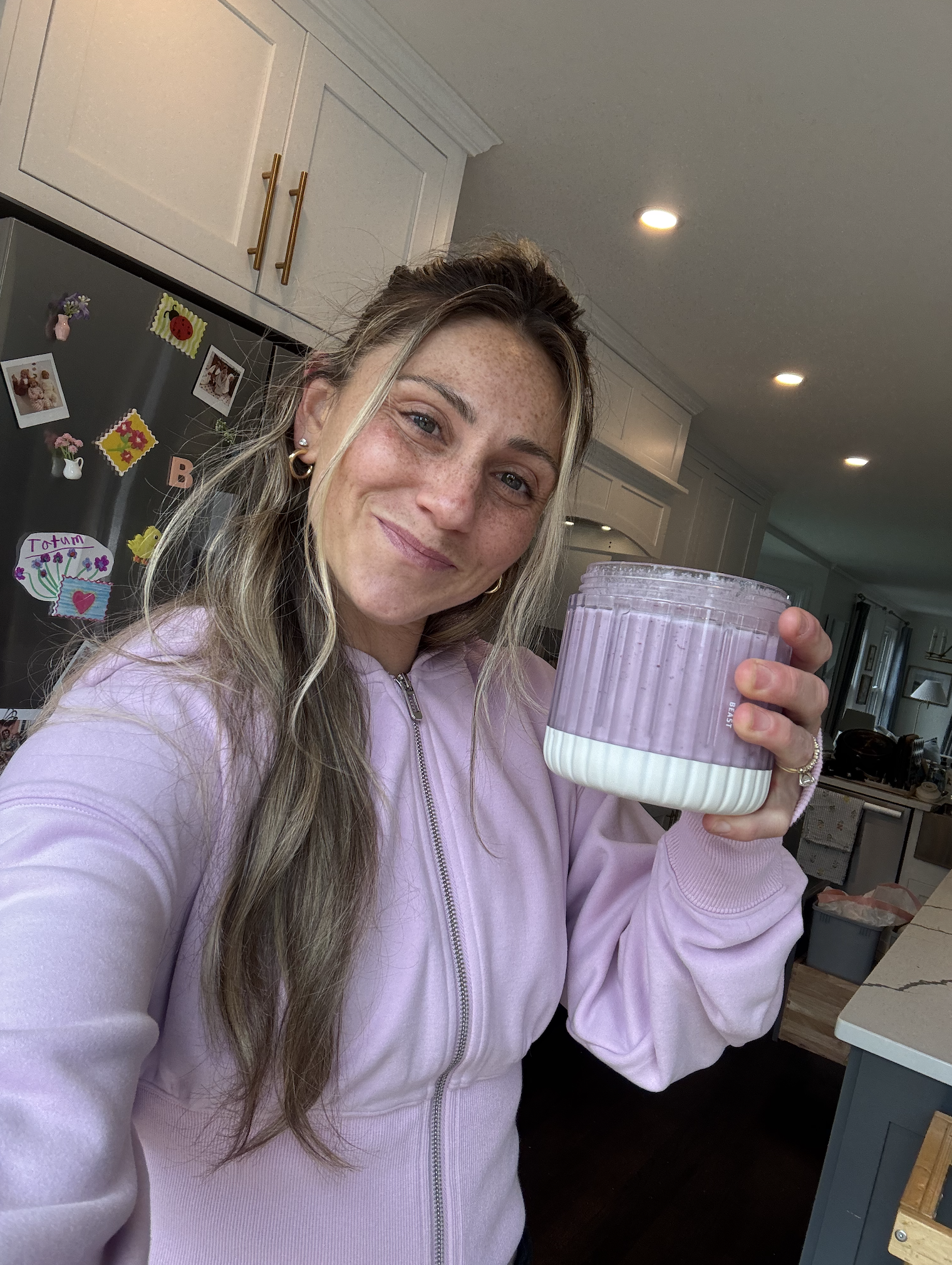
Julie here! 32-weeks pregnant, and I’ll be honest, I didn’t think I needed pelvic floor therapy. I wasn’t having leakage, pelvic pain, or any of the symptoms I thought were “required” to see a specialist…BUT after my sisters, Alaina and Carly, raved about their experiences with a pelvic floor therapist (one who’s local in Newport!), I decided to give it a try.
They kept saying it wasn’t just about fixing the “obvious” issues like leaking or pain…it was about actually learning how your pelvic floor works, realizing you can have control over it, and understanding how to harness that control during labor and for postpartum recovery. You don’t really get it until you go. And honestly, I’m so glad I did.
I’ve gone three times during my pregnancy so far, and my last appointment is coming up in early September (Tolin’s joining me for that one!). That (along with my chiropractor) has been one of the best investments I’ve made for my pregnancy, no joke!
Anyway, for anyone unfamiliar, a pelvic floor therapist is a physical therapist who specializes in the muscles, ligaments, and connective tissues that support the bladder, uterus, rectum, and pelvic stability. They help with everything from pain, pressure, and incontinence to optimizing strength and flexibility for pregnancy, birth, and postpartum recovery.
At my most recent session on Monday, we talked about something that stuck with me: internal data vs external data (which my sisters and I have been talking so much about lately!)
External data is what we’re used to tracking in pregnancy - things like cervical measurements, baby’s heart rate, fundal height, weight gain.
Internal data is how your own body feels - think things like pain, pressure, tension, softness, space, and strength. It’s your inner ‘dashboard’ that can guide you in ways external numbers/ validations can’t.
The more I tune into internal data, the more I feel connected to my own intuition and to my baby! AND THAT MAKES SO MUCH SENSE.
It’s easy to hand over all the authority to medical measurements (which are important, of course), but there’s a whole world of information inside us that we know and feel if we slow down enough to notice.

My biggest takeaways from my last session:
Using a deep diaphragmatic inhale and a slow “fogging the mirror” exhale to help relax during stretching and mobility work.
Beginning perineal massage at 34 weeks to prepare tissue for stretching during birth.
Incorporating pelvic-friendly stretches like figure-4, obturator internus release, and dynamic adductor stretches.
I truly think the pelvic floor is so misunderstood and underrated (I am still learning so much and wish I knew all of this way sooner). Most of us don’t think about it until something feels wrong, but it’s truly a cornerstone of our core strength, posture, stability, and even mental connection to our bodies!
I’m currently 32 weeks, and my personal goal for the next few weeks is to practice relaxing my pelvic floor daily - creating space, softness, and flexibility in preparation for birth. Pregnancy has taught me that paying attention to the inside is just as important as what’s happening on the outside, and pelvic floor therapy has been a huge part of learning that.
That’s all for now, but we’ll be back before you know it with more real talk, gentle reminders, and the kind of wisdom that only comes from being in it.
Whether you’re in your flow, counting down to baby, or in the thick of toddler life, we’re so grateful you’re part of this space. You’re not alone, and you’re always welcome here.
— Julie
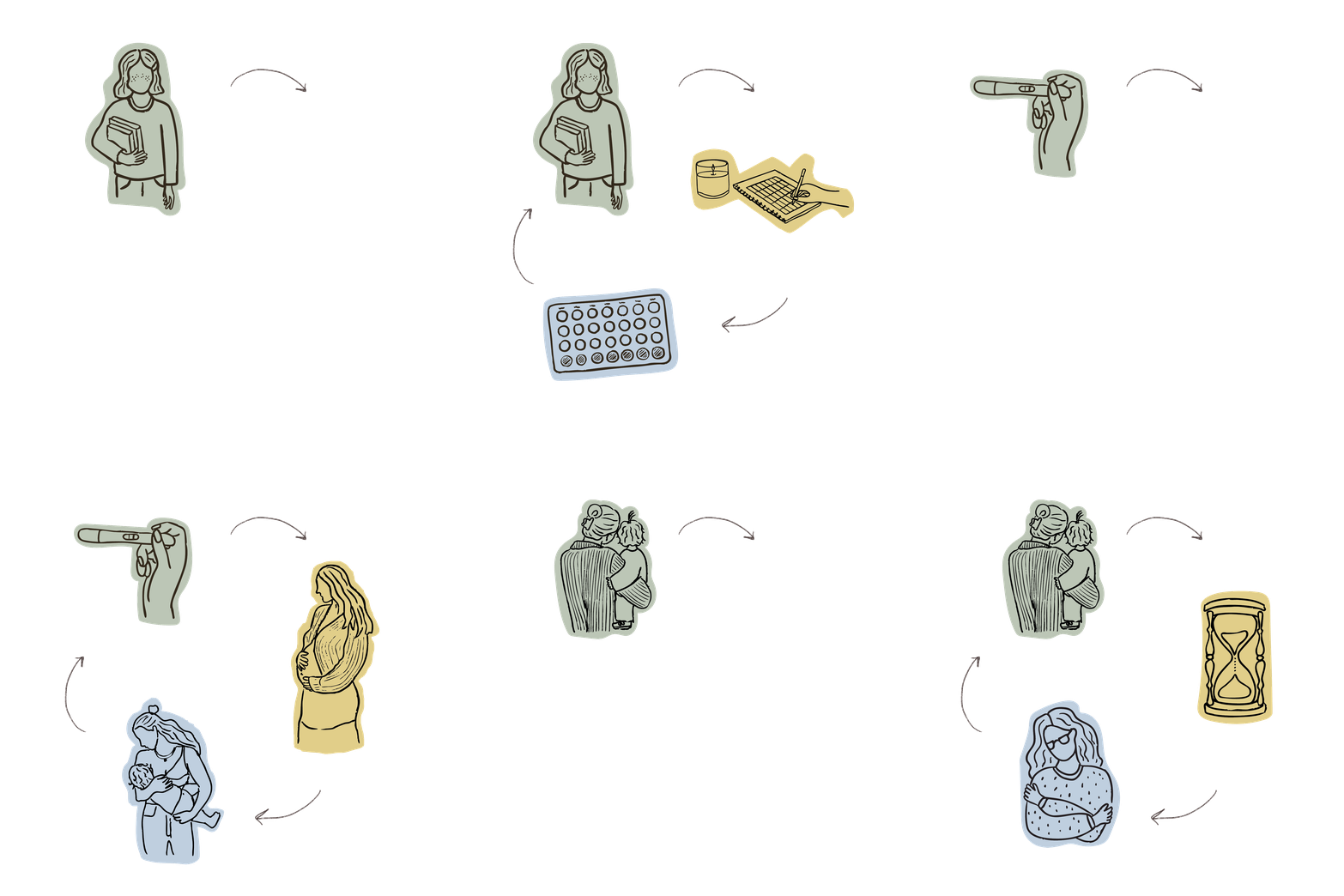
We’re your sisters helping you understand your body in every phase, strengthen your intuition, and adjust your habits and lifestyle so you can thrive through every season of womanhood. Pick your phase, and we’ll walk with you, every step of the way.
pick my phase